Disk bulges are a frequent cause of back pain and discomfort that affects millions of people across the globe. Conditions such as disc protrusions with superimposed force in the central region, disc bulges that abut nerve roots, bulges that are eccentric and paracentral protrusions can lead to significant back pain as well as mobility problems. Recognizing these conditions and looking for solutions that work is vital in reducing pain and improving living quality. Dr. Ken Nakamura offers insight and advice on how to treat these conditions.
What exactly is a disc bulge?
A disc bulge happens in the intervertebral disc that acts as a cushion between the vertebrae, extends past the normal boundaries. This can occur due to degeneration, wear and tear injuries, or simply over the course of. The severity of disc bulges can range from minor protrusions with minimal or no signs, to larger bulges that could cause discomfort and pain.
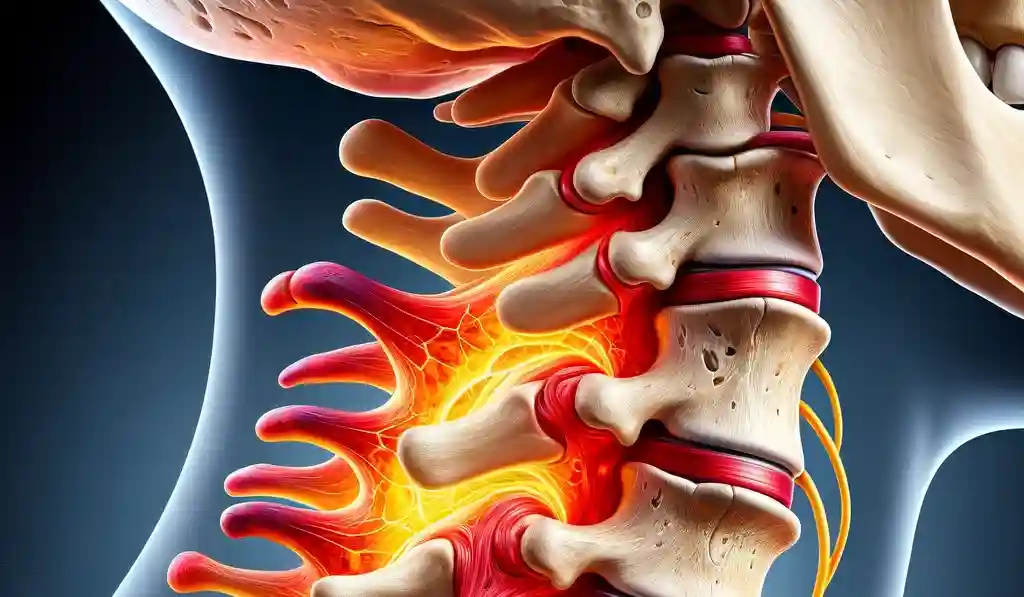
Superimposed Central Protrusion of Disc
A superimposed central disc protrusion is a particular type of disc bulge that occurs centrally within the spinal canal. According to Dr. Ken Nakamura, this protrusion could cause pressure on the nerve roots or spinal cord, which can lead to signs such as an achy, numb, or weakness in the affected area. The central position of the protrusion implies that it could affect both sides of the body. This makes it an extremely difficult situation to treat.
Disc Bulge Abutting Nerve Root Treatment
A disc bulge that irritates the nerve may cause severe pain and neurological symptoms such as sciatica. Sciatica is a pain radiating from the rear of the leg. When pressure is not treated, it can affect the spinal nerve root may result in inflammation, pain and even loss of function.
Dr. Nakamura explains that disc bulge abutting nerve root treatment a nerve root typically involves a combination of conservative and, in some cases, interventional approaches. The conventional treatment could comprise the use of physical therapies, anti-inflammatory drugs, and activity modifications to lessen the pressure on the nerve. If there is a severe case of nerve compression epidural injections or surgery might be needed to provide relief.
Eccentric disc bulge
A disc bulge that is eccentric refers to an abnormal bulge off-center and is usually located on the opposite side of the spinal canal. This type can produce unilateral symptoms. The discomfort and other issues are often felt only on the one side. The bulges of the discs that are eccentric can be an issue, since they may cause pain, tingling or weakness in a certain region.
Dr. Nakamura stresses that physical therapy is commonly used to improve flexibility and strengthen muscles surrounding the spine. This can help reduce the pressure on the affected disc and ease symptoms. Non-surgical treatment such as spinal compression therapy can be prescribed to minimize the size of the disc or ease the pressure on the nerve in certain instances.
Paracentral Protrusion
Paracentral protrusion is one type of disc bulge which occurs close to the center, but slightly to the other side of the spinal canal. This can lead to nerve root compression similar to other types of disc bulges. This could cause symptoms such as Numbness, pain, or weakness in the limbs.
Dr. Nakamura suggests that paracentral protrusion can be addressed with the combination of conservative or non-surgical therapies. This can include physical therapy, pain management techniques and lifestyle changes. For severe cases of paracentral protrusion, surgical intervention is often required to remove the disc material that protrudes and then decompress the nerve.
The treatment of disc bulge-related pain
Treatment for disc bulges depends on the severity and specific symptoms of the problem. The use of conservative treatments is effective in mild to moderate cases in decreasing pain and improving functioning. They may include:
Physical Therapy: Exercises that enhance flexibility and strength in those muscles that support the spine.
Pain Management: Employs medication like anti-inflammatories to control the pain, decrease inflammation, and ease muscle tension.
Lifestyle Modifications: Adjustments made to everyday activities to prevent aggravation of the condition, for example, the correct posture, ergonomic adjustments and avoid heavy lifting.
Interventional Therapies: In instances in which conservative treatment is not sufficient, other options may be considered like epidural steroids injections or less invasive surgical procedures.
The final sentence of the article is:
A successful treatment for pain requires that you recognize the subtleties of ailments like central disk protrusion that is superimposed and bulge disc that abuts the nerve root, a concentric bulge disc, and paracentral bulge. Dr. Ken Nakamura stresses the necessity of recognizing symptoms and seeking treatment in order to decrease the pain, improve mobility, and boost the quality of your life. It is vital to address disc bulges using traditional methods or, in certain instances, surgery for those who want to live a lifetime free of pain.