Restaurant owners will open their monthly P&L reports, check the sales, and then go to the bottom and close the report.
Do these sound like familiar?
It may be a perfectly accurate report, but when you only look at those two numbers, it leaves a lot of its value in the dust.
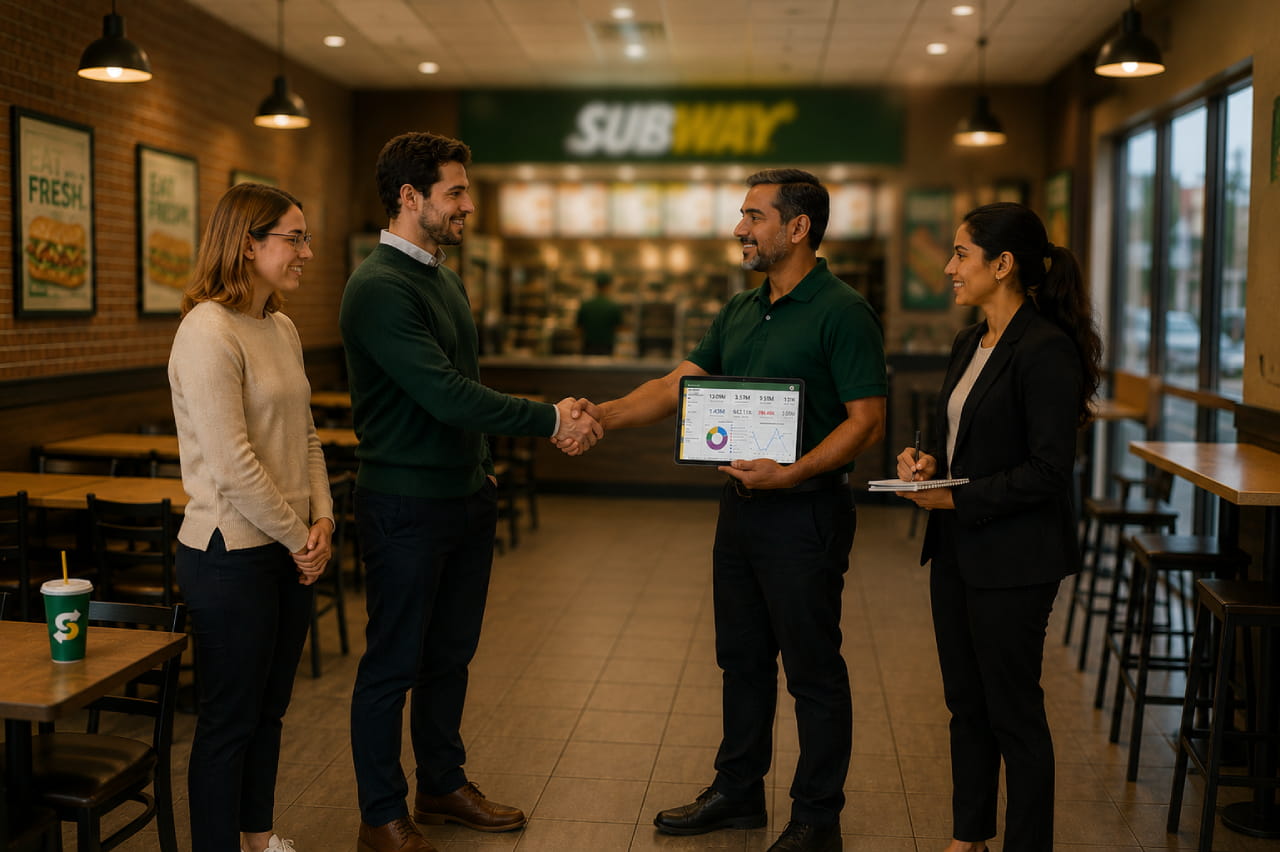
A good restaurant bookkeeping system should not increase the dependence of the owners on accountants. It should make them more confident in their own financials. It doesn’t require an expert in accounting or spend at night filling out invoices. It’s essential to know the reason for the fluctuation in profits and what transpired with food and labor and which issues require focus next week.
That’s the philosophy behind Bookkeeping Chef: automate the bookkeeping work that doesn’t need an owner’s time and gives restaurant managers more precise financial data they can utilize.
Start With the Weekly Numbers Start with the Weekly Numbers, Not just Month-End
Restaurants don’t operate on an annual basis. The managers schedule the labor for the week. The chef has ordered food for today. Vendors change prices now.
That’s the reason Bookkeeping Chef provides weekly prime-cost flash reports in addition to monthly financial statements.
The main cost is a combination of cost of labor and the purchase of goods both of which are areas where an establishment can make rapid progress. According to the data published by the Bookkeeping Chef prime costs represent approximately 60% of the sales at restaurants.
Think about a situation where sales aren’t changing much, but prime costs are rising. This percentage does not provide an answer. It gives the owner a reason to look into the issue.
Did hourly labor get more expensive? Did you have extra work? The cost of food increased? A vendor’s invoice was abnormally high. Did you notice any changes in your sales mix?
It’s far more beneficial than finding the same problem several weeks later.
Automate repetitive tasks
Bookkeeping for DIY isn’t just about manually moving POS figures into spreadsheets.
Automating the process of bookkeeping for restaurants will eliminate repeated data movement. The service integrates systems like POS and QuickBooks payroll vendor platforms, and inventory management.
Automation isn’t the only goal.
The goal is to eliminate manually entering data and keep financial records up-to-date so that owners are able to spend more time analyzing the information rather than assembling it.
That creates a different model of bookkeeping for restaurants: technology handles more of the mechanics while the owner remains engaged with the financial meaning.
Learn to ask the P&L More Questions
When you stop treating a P&L like a test, it will become less daunting.
Begin with sales. Then, you can look at the costs of production. Compare the food and beverage industry’s performance. Look at labor. See the work.
More importantly, compare periods.
If the sales rise but the profits do not, there is a change between the two. If food cost has increased, find out what was happening operationally. Review sales and staffing numbers to determine if the labor percent has changed. Find out if a figure seems unusual, rather than believing that the restaurant went through poor performance.
Bookkeeping Chef can provide monthly P&Ls, which are finished within five days. Owners are able to review the company’s performance without waiting for months to receive financial statements.
For those who are looking for bookkeeping restaurant solutions, speed is a must but understanding is the main purpose.
You don’t have to take on everything by yourself when you DIY
You can find a happy medium between hiring someone to take care of all your financial requirements and becoming your own full-time accountant.
Owners can be still involved in the accounting process without needing to do everything by hand.
This may mean using automated systems to maintain information flow, reviewing a monthly P&L and a weekly report on primary expenses, or asking questions if something unexpected happens.
The services of specialized restaurant bookkeeping can aid in this process by maintaining the book’s structure and assisting the owner to comprehend what the reports are saying.
However, this does not mean the owner will be capable of performing all bookkeeping functions.
Owners who are able to sit down and talk intelligently about their business with the P&L are more likely to succeed.
The Goal Is Financial Independence Not More Reports
Restaurants already generate enormous amounts of data. Another dashboard isn’t automatically useful.
The real value comes when an employee can look at a weekly report on prime costs and recognize that something changed, then open the P&L and determine the next steps to take.
Bookkeeping Chef s approach combines restaurant accounting automation, daily reports, monthly P&Ls as well as the provision of financial support for specific restaurants to make this feasible.
Automate repetitive tasks. Review prime costs every week. Be aware of the language used within your P&L.
You don’t have to be an accountant to be an.
You must be an owner who is aware of the financial story of your own restaurant.